



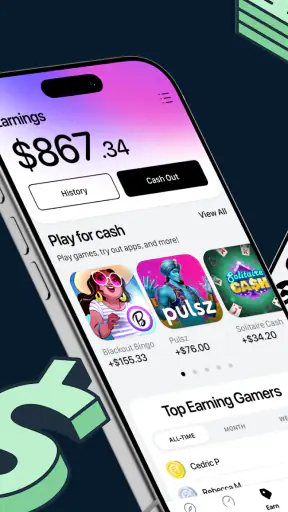
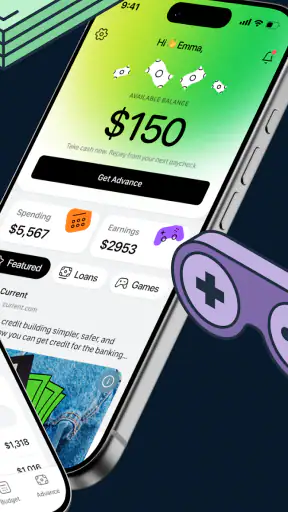
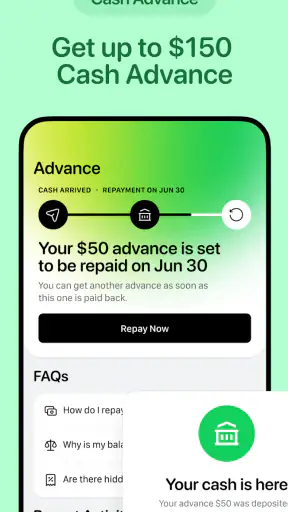
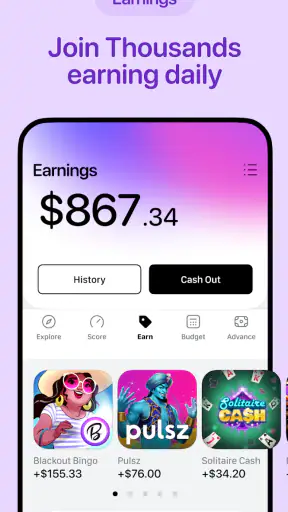
I approached True Finance: Cash Advance as a practical finance app rather than a complete money-management system. Its central appeal is easy to understand: it is designed around fast access to cash and does not position a credit check as the starting point. That can make it interesting when an unexpected expense arrives and a traditional borrowing process feels too slow or difficult.
My overall impression is more measured than the short promise suggests. The app may be useful for someone who needs to explore a cash-advance option quickly, but it should not be treated as free money or as a replacement for a stable emergency fund. The important question is not simply whether the application is easy to open. It is whether the repayment terms, eligibility result, timing, and total cost fit comfortably into the user’s next budget cycle.
How True Finance feels in its current form
JoinTrueDev presents this as a finance app with a focused purpose, not as a broad banking replacement. That narrow focus is actually one of its strengths. When I use an app built around one urgent task, I want the path to be understandable without forcing me through unrelated budgeting screens, investment tools, or financial education sections. True Finance: Cash Advance is most appealing in that specific situation: I need to investigate a short-term cash option and want to begin from a phone.
The app is free to install, and its content rating is Everyone, which makes the basic product accessible to a wide audience. It supports Android devices running version 7.0 or later. That relatively broad compatibility matters for people who keep an older phone, although the quality of the experience can still depend on the device, Android settings, and the information needed during the application process.
The current version is 10.6.0, a sign that this is not an untouched first release. The app was released on December 21, 2022, and has since built a visible audience: more than one million installs, an average rating of 4.4, and roughly forty-seven thousand ratings. Those figures suggest that many people have at least tried the app, but they should be read carefully. A strong store score cannot tell me whether a particular applicant will qualify, how quickly funds will arrive, or what the final repayment obligation will be.
I also would not confuse the 4.3K written reviews with a guarantee of a smooth result for everyone. Finance apps often produce very different experiences depending on income details, identity checks, banking circumstances, timing, and the user’s location. A person who receives a suitable offer may rate the app highly, while someone who is not eligible may judge the same interface much more harshly.
The first useful habit: separate access from affordability
The phrase “no credit check” can attract attention, especially from people who have a thin credit history or have been rejected elsewhere. In practice, that phrase should not be interpreted as “no assessment” or “no requirements.” Any responsible cash-advance decision still needs information about the applicant and the ability to repay. I would enter the process expecting verification and eligibility questions rather than assuming that approval is automatic.
That distinction is one of the most important things to understand before installing it. The app can make it easier to explore a borrowing route, but it cannot remove the financial consequences of taking one. If the repayment date falls before the next paycheck or collides with rent, utilities, food, or existing commitments, a fast approval can create a second problem immediately after solving the first one.
For that reason, I recommend opening the app with a specific amount and repayment plan already in mind. Do not begin with “How much can I get?” Begin with “What amount can I repay without cutting essentials?” This small change in approach makes the tool safer and keeps the app from setting the size of the decision for you.
What the version history tells existing users
Version 10.6.0 gives current users a clear reference point when checking whether their installation is up to date. The version number alone does not prove that a particular feature has changed, so I would avoid assuming that every update brings a major redesign or a new borrowing product. Still, an established release line is preferable to relying on an old installation when dealing with sensitive financial information.
For someone who installed the app around its original release, the sensible upgrade question is not “Does the new number sound impressive?” It is “Does the current build behave reliably on my phone, and can I clearly review the information before proceeding?” Keeping the application current can reduce avoidable compatibility friction, but it does not change the need to read every offer and repayment detail carefully.
New users should also avoid judging the product solely by its age. Being available since late 2022 and reaching over a million installs indicates continued visibility, yet neither fact establishes that the app is the best option for a particular emergency. Product maturity and financial suitability are separate issues. I see the current release as a reason to evaluate the app seriously, not as a reason to skip personal due diligence.
A realistic everyday use case
Imagine a user whose phone bill and a necessary transport expense arrive a few days before payday. The person has regular income but not enough cash in the account today. True Finance: Cash Advance could be worth opening to investigate whether a short-term advance is available and what the repayment would look like. The useful workflow is to check the amount, timing, and total obligation before accepting anything, then compare that result with alternatives such as asking the provider for more time, using an existing bank facility, or delaying a nonessential purchase.
The app is less suitable if the same person is already borrowing to cover earlier advances. In that case, another quick cash option may only move the shortage forward. I would also be cautious when the expense is recurring. A one-time repair and a monthly shortfall are not the same problem; the latter usually needs a change in income, bills, or spending rather than another short-term advance.
How I would use it without losing control
My preferred approach is deliberately slow, even if the product is built around speed. I would first write down the exact expense, the date it must be paid, and the amount available after the next income arrives. Then I would use the app to explore the available route, recording the repayment date and total amount in a note before accepting. This prevents the common mistake of remembering only the cash received and forgetting the amount that leaves the account later.
A second useful habit is to compare the app’s result with the cost of doing nothing for a few days. A late fee, an overdraft, a bank option, and a cash advance can all have different consequences. True Finance may be convenient, but convenience is not automatically the cheapest choice. If another option gives more time with less financial pressure, it may be better even if it takes longer to arrange.
A third tip is to avoid applying repeatedly just because the first result is disappointing. Repeated attempts can encourage emotional decision-making, especially when the original expense is urgent. I would close the app, review the budget, and consider a non-borrowing alternative before trying again. The strongest use of this product is as a comparison point in a short-term decision, not as a button to press until the desired amount appears.
Where it compares well with familiar alternatives
Compared with visiting a traditional lender, a mobile cash-advance app can feel more direct and less intimidating. The phone-based format is convenient for someone who needs to start outside business hours or does not want to arrange an appointment. The “no credit check” positioning may also make it more approachable than products that openly center conventional credit history.
Compared with borrowing from a bank, however, the app may not offer the same relationship, predictability, or range of repayment choices. A bank customer with an existing overdraft facility or personal line of credit may already have a clearer cost structure. Someone with access to a trusted family member may also prefer a private arrangement that avoids a formal cash-advance cycle, provided the repayment expectations are discussed honestly.
Compared with budgeting apps, True Finance serves a different purpose. A budgeting tool helps identify why money is short and how to plan ahead; this app is aimed at addressing an immediate cash need. I would use a budget alongside it, not instead of one. Without that second layer, the app can solve today’s gap while leaving next month’s gap untouched.
Compared with a credit-building product, it also has a different role. A person trying to improve long-term access to mainstream borrowing should not assume that a cash advance will accomplish that goal. The app’s value is immediate access exploration, not a promise of broader financial progress. That difference should guide the decision to install it.
The friction that matters before acceptance
The biggest limitation is inherent to the category: speed can compress the time available for reflection. A clean mobile flow may make a serious financial commitment feel like an ordinary purchase. I would therefore treat every confirmation screen as a contract-reading moment, not as a routine tap-through step.
Eligibility is another source of uncertainty from a user’s point of view. The app may be easy to download, but that does not mean every person will receive the same outcome. Results can depend on the applicant’s circumstances and the information submitted. Anyone installing it should be comfortable with the possibility that the available amount, timing, or terms will not match the original expectation.
There is also a practical privacy consideration. Finance applications require users to think carefully about the information they enter and the device on which they use the service. I would avoid completing a sensitive application on a shared phone, check that the device is protected, and review each screen rather than granting attention to the headline alone. These are not reasons to reject the app; they are sensible precautions for any mobile financial service.
Another weakness is psychological rather than technical. A free download can create the impression that the service itself is free. Those are separate ideas. Installation may cost nothing while the financial arrangement has its own terms. I would never proceed until I understood what must be repaid, when it is due, and whether any optional or expedited choice changes the total cost.
Who should consider it, and who should skip it
I can see the app helping a user with a temporary, clearly defined cash gap, a realistic repayment date, and enough income visibility to avoid missing essential expenses. It may also suit someone who wants to investigate a mobile-first alternative before spending time with more traditional providers. The free entry point makes that initial comparison relatively easy.
I would advise skipping it if the user needs money for an ongoing deficit, is already behind on several obligations, or cannot identify where repayment will come from. It is also a poor fit for anyone who tends to accept financial offers before reading the full terms. In those cases, a nonprofit advice service, a conversation with creditors, a bank appointment, or a detailed spending review may be more useful than another short-term borrowing option.
People who need a large, long-term loan should look elsewhere as well. A cash-advance format is designed around immediacy, not necessarily around the structured repayment and lower-pressure planning that a major expense requires. Likewise, someone who already has a low-cost emergency facility may find that familiar option easier to understand and manage.
What I would watch as the product evolves
For future updates, I would pay attention to clarity rather than novelty. The most valuable improvements would be easier comparison of repayment obligations, prominent presentation of the total amount due, and a calm explanation of eligibility steps. Those details help users make better decisions than decorative interface changes do.
I would also watch how well the current version serves existing users after the initial application. A finance app should be judged not only by how quickly someone begins, but by how clearly it supports the repayment stage and helps the user understand what happens next. Smooth onboarding is useful, but long-term confidence depends on transparency throughout the process.
Finally, I would look for evidence that the app remains focused without encouraging repeat dependence. A good cash-advance tool should help a person handle a short-lived problem while making the financial commitment easy to understand. If future releases improve that balance, True Finance could become a more dependable option for carefully planned emergencies. If the experience remains centered only on getting started quickly, I would continue recommending it with caution.
My final take for Android users
True Finance: Cash Advance is worth considering when the need is immediate, the amount is modest enough to manage, and the user is prepared to inspect the repayment details before accepting anything. Its free availability, broad Android support, established presence, and strong overall store reception make it easy to investigate. The current 10.6.0 release gives users a clear modern version to evaluate, while JoinTrueDev has had time to develop the product beyond its initial launch.
My recommendation is conditional, not automatic. I would use it as a way to explore a short-term option, then compare the result with a bank facility, a payment extension, or another lower-pressure solution. The best outcome is not simply receiving cash quickly; it is solving the immediate problem without creating a larger one at the next payday. If that repayment plan is not clear before acceptance, I would leave the app and choose a different route.
For a carefully prepared user, the app can be a practical starting point. For someone facing repeated shortages, it is more likely to mask the real issue than fix it. That distinction is what makes the difference between using True Finance responsibly and allowing a fast financial decision to control the rest of the month.


